

Expat Life in Barcelona
A little guidance for those looking to live and work in Catalonia
By Duncan Rhodes 
Barcelona is one of Europe’s most cosmopolitan cities, attracting people from all corners of the globe to set up shop and home here in Catalonia. Here’s some starting advice if you want to come and join us…
So you’ve decided to up sticks and move to balmy Barcelona? Well who could blame you! With its stunning Modernista architecture, courtesy of Gaudi and co., the lifestyle of eating tapas al fresco and drinking Cava and cocktails until dawn, and of course the beautiful array of beaches and reliably good weather, Barcelona offers a quality of life that many Northern Europeans can only dream about. In short you’ve made the right decision.
But just to make sure your expat experience goes according to plan you might want to peruse this page to make the most out of living and working in Barcelona.
Language and Culture in Barcelona
The first thing to bear in mind when moving to Barcelona, is that whilst outsiders tend to consider Barcelona part of Spain, the native Catalans consider Barcelona as the capital of Catalonia, an autonomous region with dreams of complete independence. In fact, if you’ve been watching the news for over the last few years you can hardly have missed their point! Even as it stands, with Catalonia as part of Spain, Catalan is the first official language of the the city and region, with road signs, metro instructions and other public notices often appearing in Catalan and not Spanish, whilst Catalan is spoken in all public institutions – such as schools.

Fear not Spanish-speakers however, Castilian is still very much the lingua franca of Barcelona due to the large number of non-Catalans (including expats) who live and work in city, and the fact that all Catalans speak Spanish as well – albeit reluctantly in some cases on account of their regional pride. For these reasons, if you’re planning on spending any time in Barcelona, then you should definitely do your best to pick up at least basic Spanish, and there’s certainly no shortage of language schools in Barcelona willing to help you. For day-to-day purposes, you might be able to get by in English but for emergencies and for dealing with household situations, Spanish is essential – finding an English-speaking locksmith for example isn’t easy!
The Catalan culture on a superficial level is quite similar to Spanish culture (no doubt many tourists have left here quite oblivious to the notion of “Catalunya”!), however some of the famous associations you hold with Spain don’t wash here in Catalonia. Bull-fighting has been illegal here for some time (and indeed the Catalans reject the bull as their national animal, selecting the Catalan donkey instead), the sardana is preferred to flamenco, and people don’t usually sleep during siesta (they do shut their shops however, much to the irritation of expats/foreigners used to more regular hours).
Catalans pride themselves on their mix of seny and rauxa, common sense and passion, and with their rich heritage of artists, such as Joan Miro, writers, like Joan Maragall, and – of course – architects, it would be churlish not to differentiate between the two cultures. A good way to ground yourself in your new locale would be to read some of the better books about Barcelona and Catalonia.
Whether you’re pro-independent, a Spanish unionist, or politically indifferent, there’s plenty to celebrate in both Catalan and Spanish culture here in Barcelona where these two worlds collide. It’s rarely boring!
Working in Barcelona
Jobs & Employment
In some ways, Spain and Barcelona were still recovering from the global economic crisis of the late 2000s, when COVID-19 struck at the start of the decade – the fallout of which is yet to become apparent.
However, for all the grumblings about unemployment and gripes with government spending, Barcelona in particular is a resilient and dynamic city. With its geographical situation as a port city, great road and public transport infrastructure, a fantastic lifestyle, which attracts multinationals and foreign businesses, and of course the city’s huge tourism industry there are still plenty of opportunities for job searchers, especially for those who speak Spanish and/or Catalan along with English.
Banking and logistics sectors are particularly big, and currently the city is successfully transforming the district of Poblenou into an IT and technology hub (dubbed 22@) in the style of Silicon valley, as Barcelona sets itself for further growth.

Office meeting on a sunny terrace? Yeah, I can manage that!
For more casual, seasonal or short term work then you might be best contacting restaurants, hotels and bars with your CV, whilst plenty of opportunities also exist working as nannies or au pairs, or teaching English as a foreign language.
As usual the Internet is the best tool for beginning your search and a little Googling should reveal some handy resources. Jobs in Barcelona is a great place to start, whilst Craigslist has a mixed bag of opportunities.
Self Employment
Spain famously – to the chagrin of every autonomo (the word for freelancer here!) – has the largest self-employment fees in Europe. A whopping €300 before you’ve even sent an invoice. But, it’s not as bad as all that. New freelancers pay just €60 a month in social security, and you won’t have to pay full whack until 2 years have passed – by which time you’ve hopefully established a nice client base for yourself and regular income.
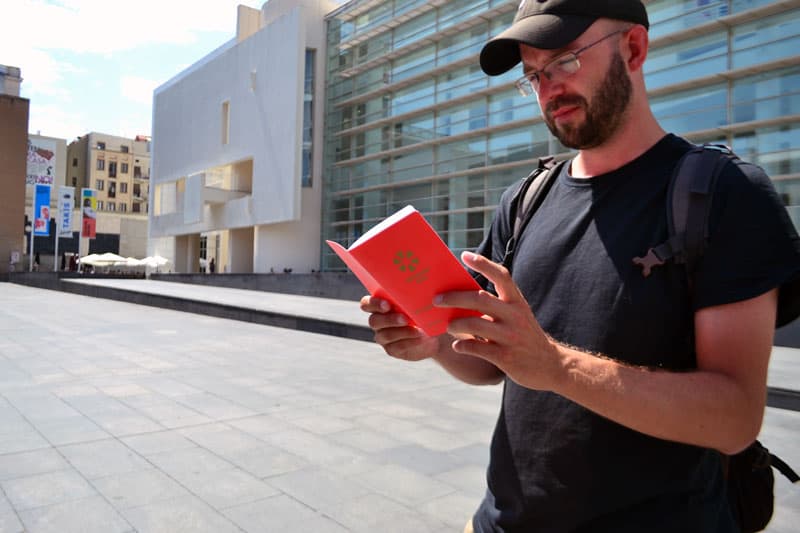
Taking a break (the benefits of self-employment!).
Getting a gestor (accountant) is pretty much mandatory for a foreigner hoping to freelance in Spain, as the paperwork can be confusing for a foreigner. Luckily these tend to be cheap and efficient and make the process fairly painless. The good news is that the tax rates are pretty favourable and you can count the social security payments as an expense, so once you get to about 30k salary you might actually pay less tax than in the UK for example.
Coworking Spaces
One thing that has made self employment a lot more fun over the last decade or so in Barcelona are the raft of fantastic coworking spaces that have sprung up in nearly every barrio.
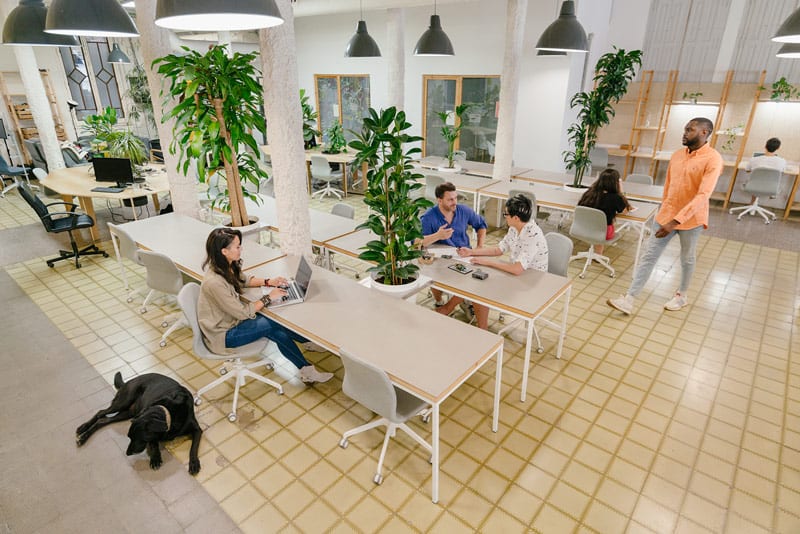
Makers of Barcelona – one of many great coworking spaces.
On this article, we run down the very best Barcelona coworking spaces. Note, we actually managed to negotiate a 10% discount for several spaces, so check out the article and grab your discount code!
Coworking Discounts
So far we’ve managed to arrange discounts for Barcelona Life readers at both branches of MOB – Makers of Barcelona, and the wonderful Cahoot Coworking in Sant Antoni. Grab your discount codes on this article!
Working for Barcelona Life
If you’re a self-motivated sales person then read up on our current sales opportunities with Barcelona Life for a chance to join our team! We’re looking for a business partner who can help monetise this wonderful website, which is currently run by a bunch of Bohemian artist types.
Registering for your NIE
For any legal employment in Spain you will first need to get your hands on a NIE. NIE stands for Número de identidad de extranjero (Foreigner’s Identity Number) and is legally required for any foreigner living in Barcelona, which for EU citizens means anyway staying longer than 3 months. It is required for opening a bank account, buying property, finding employment, registering as self-employed or for getting your Bicing Card (for the city’s shared bike system).

Getting one is a bit of a pain in the @ss. No doubt we’ll return to the topic in time, with some step by step instructions, but in the mean time one easy way to get one is by employing an immigrant specialist to help you book your appointment at the police station and have all the paperwork in correct order. Amongst the English speaking lawyers in Barcelona, the law firm Murla i Contreras are a safe bet.
Legal Advice
Aside from advice on getting your NIE number, expats looking to register a business, buy property, rent property, or undertake any other fiscal activity, are best advised to consult a law firm, especially as regards their tax obligations. We have compiled a list of lawyers here, amongst which you’ll find Exit Legal Advice, a company that specialises in all of the above. With 20 years of experience in the field, they can help with almost any legal aspect of moving to Spain.
exitlegal.net

Lifestyle and Leisure
For many people the chance to live in Barcelona is motivation enough, above any financial rewards, and indeed many expats leave well-paid jobs in their home countries to take up less well-paid positions in Spain… but few complain about having a bit less cash to play with. When the sun shines (virtually) every day and you can spend your weekends lazing on Barcelona’s beaches, sipping mojitos at chiringuitos, nibbling on Spanish and Catalan delicacies on open squares in Barri Gotic, El Born and El Raval, and maybe supplementing these epicurean pursuits with some high culture in the form of opera at the Liceu Theatre or a classical performance at the Palau de la Musica Catalana, then you can truly say life is good.
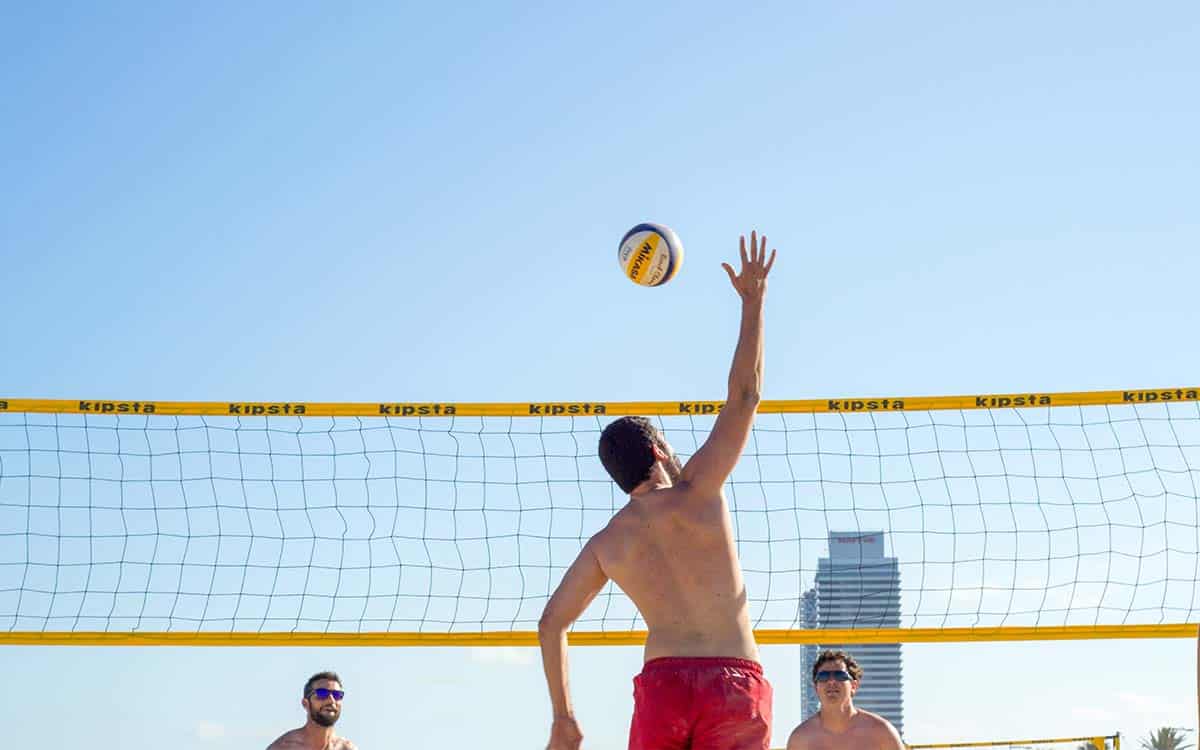
What’s more, as well as the infamous nightlife and parties in a seemingly infinite number of great bars and clubs, there’s wide range of entertainment to enjoy in the form of festivals, live music and a constant procession of great events.
Naturally, sports fans can drool at the prospect of seeing the mighty Barça FC compete on a regular basis at Camp Nou. If you prefer to participate then check out our section on Fitness & Sports on this very page.
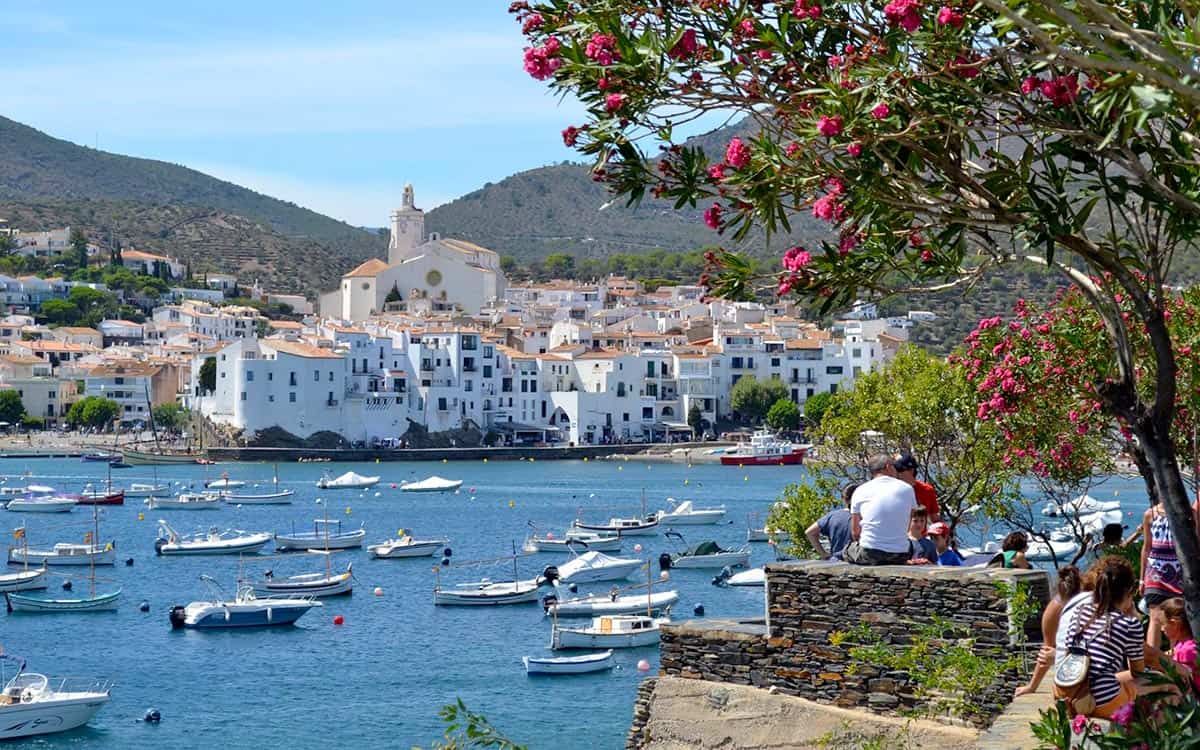
With the Pyrenees up the road, the Costa Brava coastline, and the beautiful countryside of Catalonia all nearby, life in Barcelona never need be dull! Weekend trips to Madrid and Valencia, and even San Sebastian are all possible as well.
Food & Drink
Spanish food is world famous, and after the weather many would put the local cuisine as one of the main reasons for relocating to Spain. Tapas is the most famous, but is in fact a style of cuisine rather than a specific type of dish – anything served in small portions designed to be shared can be called a tapa, and we recommend you read our article on tapas dishes and restaurants in Barcelona for the lowdown.
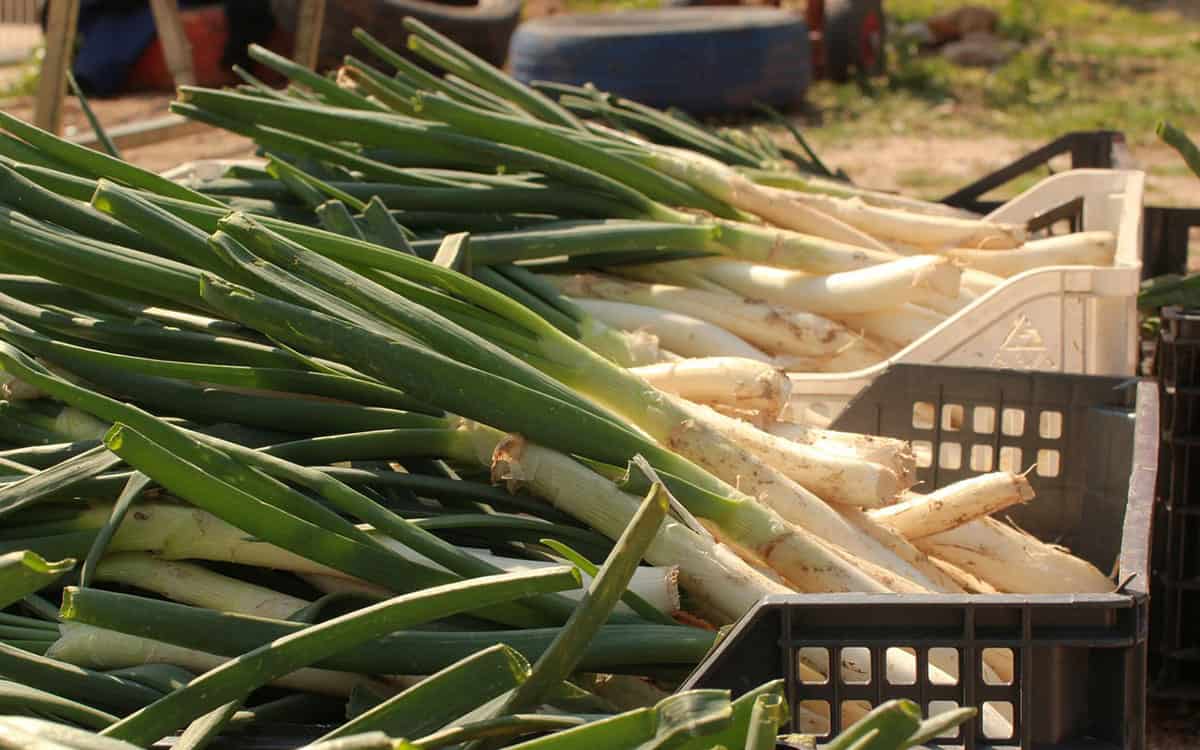
Paella and sangria are typical holiday-maker fare, but in Catalonia a bit more rare (or at least not consumed by locals). Traditional Catalan food tends to be earthy rustic fare, but thanks to a culinary revolution in recent years, modern Catalan cuisine is considered some of the best in the world, with chefs like Ferran Adria blazing a trail. You’ll find his Tickets Bar amongst our recommendations in our guide to eating out in Barcelona.
Drinks-wise you’re in right in the heart of Spain/Catalonia’s Cava country. The Penedes region is where you’ll find a host of vineyards producing both fine table and sparkling wines. You’ll find a scattering of authentic Cava bars for trying it yourself, or else sign up for a wine tour.
Whilst your sophisticated taste buds are sure to appreciate these sensory pleasures, there will naturally be some times when you simply want to get your hands on some of the familiar food and drink you know from back home. Major international supermarkets like Carrefour and Lidl should stock many of the global brands you know and love, whilst the odd jar of Jamie Oliver’s chili pasta sauce has been spotted even in the Spanish supermercados.
Bars & Hangouts
Knowing a few friendly bars where you kick back with a beer in good company can make any transition a lot easier, and in Barcelona there are no shortage of international bars, restaurants and hang outs.
For those feeling nostalgic for home there are a glut of great British and Irish pubs that welcome the homesick with a pint of Guinness. I’ll give a special mention to both Flaherty’s and the Old Irish Pub, two charismatic boozers around Las Ramblas that are also reliable bets for all your Premier League and other sporting needs.
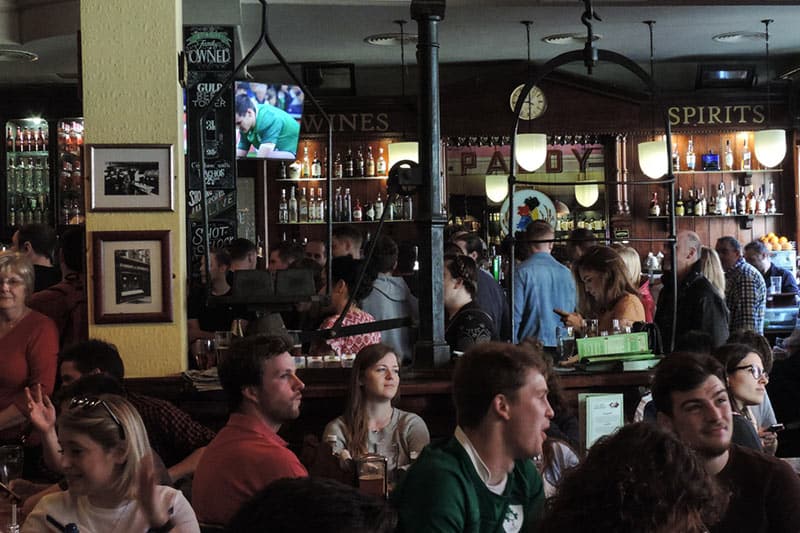
Younger expats in particular will love Belushi’s Bar, where its easy to bond with travellers and international folk over a game of pool, table tennis or beer pong.
For great cocktails and brunch try Milk or Firebug, two Irish-owned bars with great customer service and cosmopolitan patrons.
More recently the city has been blessed with a blossoming of craft beer bars, so check out CocoVail and Garage too, if you love a good session IPA or fruity saison.
More drinking (and clubbing) options here.
Housing & Living
Barcelona’s quality of life comes more from its Mediterranean location, weather and entertainment options more than its housing situation, which is less favourable. As Barcelona’s global reputation has rocketed in the last 10 or 20 years, so have house prices and rents, much to the frustration of locals, many of whom have been priced out of living in their own city. Meanwhile, youngsters are trapped living with their parents right into their 30s (some would argue that they are rather attached to their parent’s cooking and washing services too, as this habit predates the city’s high rental prices! Now though, they really have no option…).

If you do have the money though, there are some absolutely gorgeous flats to rent in the city. The lack of rain means buildings aren’t obliged to have slanting roofs, as in Northern Europe – meaning many aticos (attic apartments) come replete with sun-kissed terraces. Foreigners pounce on these ‘penthouse’ apartments, but given these aticos are usually hot as hell in summer and freezing in winter, you might want to think twice about the practicalities involved.
Generally speaking, high population density equals high demand for both flats and rooms in houseshares, so don’t expect many bargains on your rent if you come to live in Barcelona. Of course, if you’re moving from the likes of New York, San Francisco, Paris or London you might consider prices as cheap! Overall it’s a matter of perspective and personal finances.
Prices do go down considerably once you move out of the city centre, and become cheap, by any standards, if you’re willing to move out to the suburbs or to a quiet Catalan village (as many families prefer to do).
The best place to look for rental apartments is probably Idealista.com. You can also check house prices there, if you’re looking to buy.
Health Advice
– Public Healthcare
Obviously one important aspect that the prudent will want to resolve as swiftly as possible is your health coverage. Whilst your European Health Insurance Card will cover you in the short term, it is intended to be used for emergencies by those travelling, and not for those who are relocating to Spain. To access the same health privileges as native Spanish / Catalan residents you need to register for your Tarjeta Sanitaria, aka Cat Salut.
– Private Healthcare (Insurance):
Access to public healthcare is a must, but like many healthcare systems, you could find yourself waiting for a long time for non-emergency services and operations, and it’s worth considering private health insurance. You may get this as part of your employment package, whereas some banks have deals with certain providers, otherwise you will want to do some research and shop around. Sanitas, AXA, Cigna and Allianz are the most well known companies. Be sure to read the policies carefully in each case, before making your decision, and speak to someone if you can to get a good understanding of what you’re covered for.
Feather Insurance
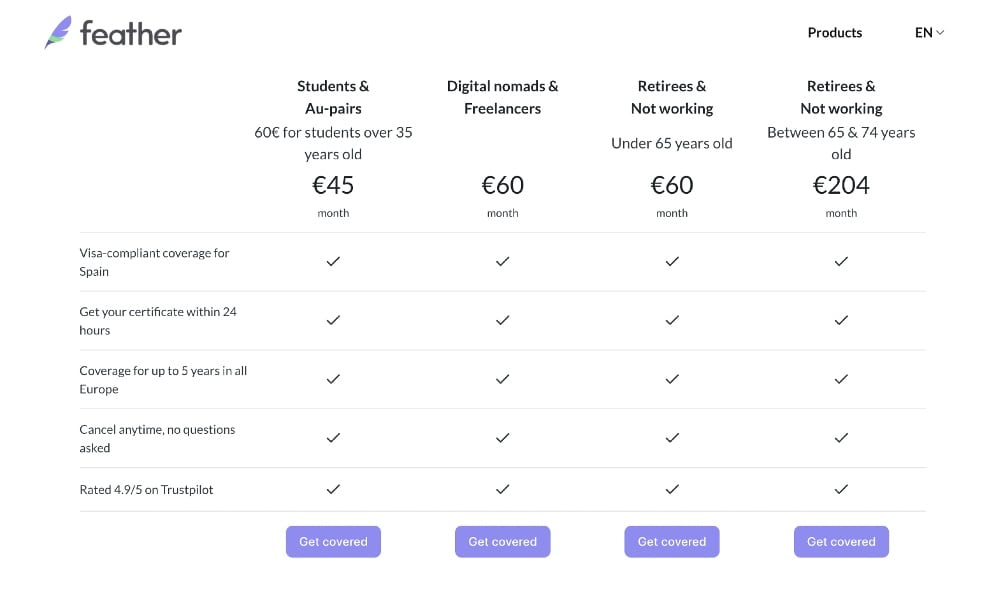
Especially developed for the needs of expats, digital nomads / freelancers, students, new arrivals and retirees, Feather Insurance offers affordable health insurance coverage (from €45 a month) with great customer support in both English and Spanish. Their plans cover accidents and emergencies, medication, ambulance call out and limited dental work (up to €500). Unlike local companies, Feather’s coverage extends to the whole of Europe, so you can have piece of mind when travelling. During the sign up process you can schedule a video call with an expert to check you get the right policy for you, and the company’s high rating on Trustpilot is certainly reassuring. Learn more on their website.
– English-speaking Doctors
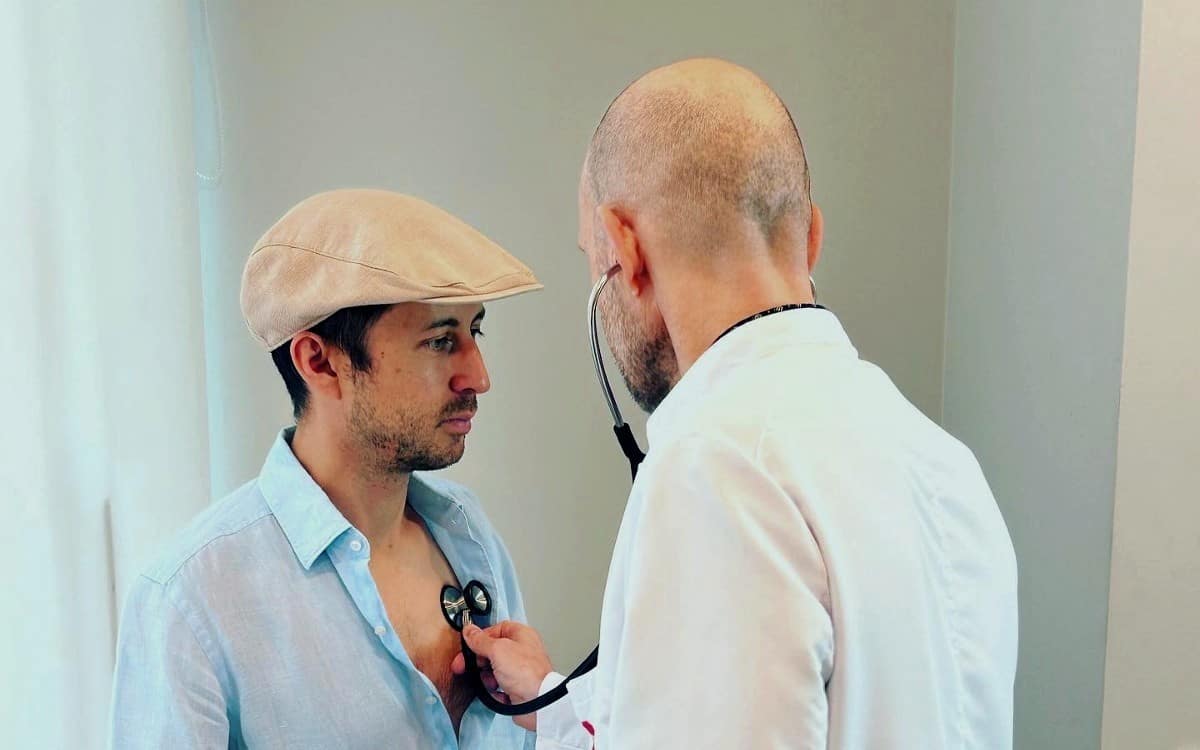 Expats hoping to find an English speaking doctor they can consult, during their time in Barcelona, needn’t fret. For starters there’s the aptly named English Doctor Barcelona clinic, run by Dr. Steven Joseph, and featuring several other anglophone specialists. Their clinic is located in the city centre, just near the Port Olimpic and you can book an appointment for all your GP needs, diagnostic tests, vaccinations and minor procedures. They have specialist partners to refer you to, where the need arises. Check out their website for their full range of services:
www.englishdoctorbarcelona.com
Keep reading to discover more English speaking doctors in Barcelona.
– English-speaking Dentists
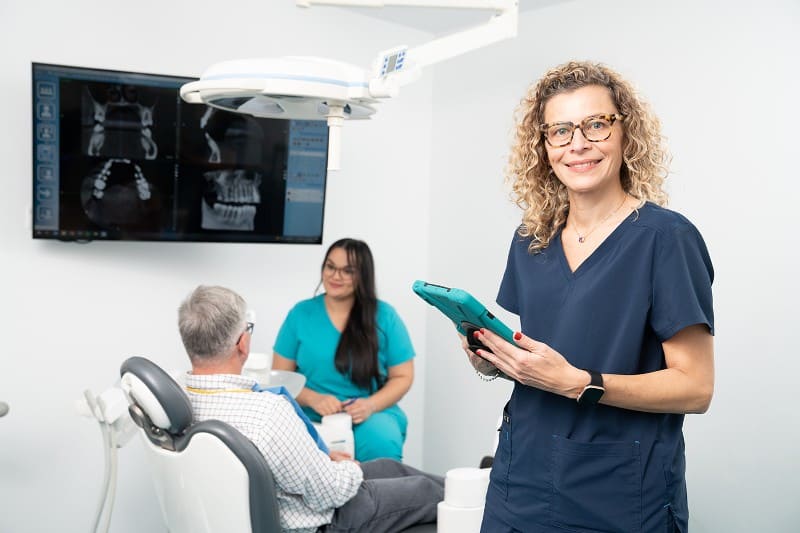 For a professional, modern dental clinic, staffed by English-speaking dentists and patient care team, look no further than El Cedro, conveniently located near La Sagrada Familia, in Barcelona’s Eixample district. Specialising in both dental surgery and prosthetic treatment, they even have their own onsite prosthetics lab. The focus at El Cedro is delivering pain-free dentistry, tailored to their patients’ requirements, and they’ve been serving international clients since 2013.
www.elcedrobarcelona.com
For more English speaking dentists check out our full article on the topic.
– House Call Doctors
If you find yourself in Barcelona and you need to see a healthcare professional right away, then you book a same-day house call with an English-speaking doctor via MedinAction. Using their website or app, you can quickly schedule an appointment at your hotel or home, and get the advice you need. You can also book an online video consultation via their website.

– Mental Health
Moving to a new city can be the experience of your lifetime, but it’s certainly not without its challenges, especially if you’re one half of a couple and/or bringing your family with you. Some expert advice can help you navigate such issues, and the English-speaking psychologists at PsIcare Health specialise in supporting expats with their move to Spain.
– More Doctors & Practitioners
For a list of doctors, medical centres and more, read our full length advice on health and healthcare. We also list several health practitioners in our Services section, from English-speaking doctors to HIV testing clinics.
Sports & Fitness
An increasing number of people come to Barcelona for the healthy lifestyle possibilities, and for every expat that parties til dawn there’s another who wakes up for their sunrise yoga and smoothie.
– Fitness, Gyms & Personal Trainers
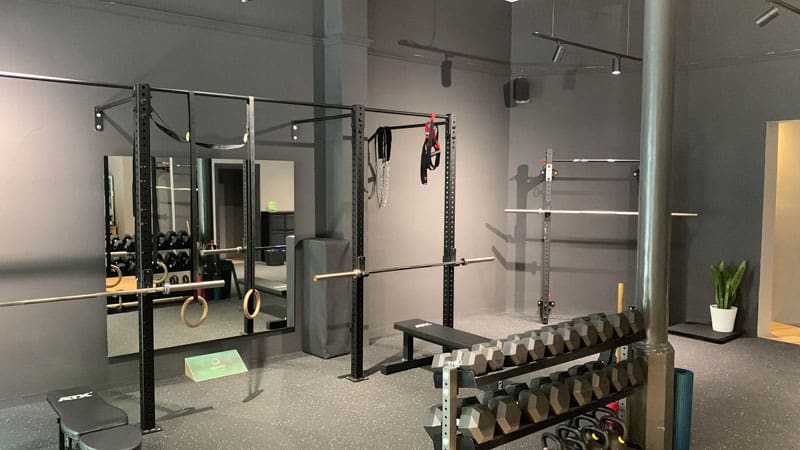
There are no shortage of modern gyms in Barcelona, from global brands to independent studios, however finding an English-speaking personal trainer is slightly tougher. One outfit you could try is Ignite Fitness, which employs highly-qualified coaches from around the world. As well as speaking your language, they also know the challenges of being an expat, and you might also benefit from their experiences as well as meeting fellow international folk as you train. More info on their website.
– Yoga
You can’t move in Barcelona without running into a yoga group downward dogging in the park or half-mooning on the beach, while mindfulness hikes and other excursions involving yoga and meditation are popular activities you can find on Meetup.com (amongst every type of social and sporting events). Meanwhile you can find dedicated yoga centres of all types, and most gyms offer yoga classes.
– Other Sports
Whatever your favourite sport, chances are you can practice it in BCN. Aside from the usual team sports, you can find all manner of water sports and beach games, plus there’s a tonne of outdoor pursuits to take part in as well around Catalonia – from skiing in the Pyrenees during winter, to climbing, canyoning, mountain biking and kitesurfing during summer.
Kids
Obviously if you’re moving your whole family to Barcelona, you’ve got more to think about than just yourself. We invited a local writer who’s been through the process to pen these tips on moving to Spain with children.
Digital Nomads
In a bid to attract more wealth and talent into Spain, the government launched the so called Digital Nomad Visa programme in 2023. This is great news for non-EU international workers, because it makes it far easier to get Spanish residency… something Brits in particular might want to pay attention to in a post-Brexit world!

Now, if you have a job with an international company, which doesn’t require you to be in that country, or if you a freelancer with clients from around the world, you can apply for this visa and legally live in Barcelona (or elsewhere in Spain!). You can even bring your family with you! There are a few requirements to be eligible, so go read on the Spanish Foreign Ministry website or Barcelona city website.
– Accommodation for Digital Nomads
Of course, many digital nomads are just passing through, behaving more like ‘slow travellers’ than residents. Sure they have to log on each day to deal with the dreaded inbox, but after they want to experience the city as much as possible, using their spare time to go sightseeing, chill on the beach, or delve into the local nightlife – before moving on to discover the next destination.
If that’s more your case, then finding accommodation where you can get reliable WiFi and which has a desk or workspace is essential to maximising your time in Barcelona. One easy way to begin your search is via TripOffice.com, which is a booking platform for hotels with workspaces in Barcelona. The website also focuses on other important factors for digital nomads, such as safety deposit boxes and A/C!
Other Practicalities
Naturally there are a thousand other considerations and practicalities to take into account if you’re thinking of joining Barcelona’s expat community in the sunny Med. We’ll come back and update this page with some info on international schools, living costs, finding accommodation, including house-buying, and much more. In the meantime you might want to check out our the business directory where we have some handy information on everything from English-speaking doctors to accountants.
FAQ
How many expats live in Barcelona?
Over 300,000 expats live in Barcelona, that is to say 20% of the city's population.
Is Barcelona expat friendly?
Yes, Barcelona is extremely expat friendly thanks to its cosmopolitan demographic which means that every culture is welcome and the locals are extremely used to dealing with foreigners.
Do people in Barcelona speak English?
Most locals in Barcelona speak a decent to high level of English, especially the younger generation, although some are shy to do so, preferring to speak in Spanish or Catalan. The high number of expats in the city means you're never far from an English speaker and most (but not all!) services can be obtained in English.
ENMANUEL JESUS
Hi:
I am a US Expat living and working in Spain. People like me have to file the taxes in Spain but also to the IRS, it is what´s called FATCA.
I would like to find US Expats like me to talk about this issue and do things together.
Thank you for your assistance.
Regards
Katie
Great post! I’m thinking of moving to Barcelona and was wondering how friendly the people are? You mentioned the mass tourism and I’ve heard the locals are becoming anti-foreigner. Would love to hear your opinion so I can get a better idea of the energy the city gives off!
Duncan
Hi Katie… some locals hate tourism. But they don’t hate the individual tourists (at least the ones that are respectful). Plus you would be considered a local if you lived here not a tourist. I certainly haven’t encountered any open hostility!
The Catalans themselves are a very nice bunch, but mostly keep themselves to themselves in their already formed social lives. A bit like Londoners. The city is a cosmopolitan playground of international folk, most of whom are very friendly as they are also ‘strangers’ in the city and open to meeting new people.
Hope that helps!
Jurgen van Steenwijk
Hello, im Jurgen from Rotterdam i just finished my studies in biology and I would like to be able to work in Barcelona for something related. My girlfriend is from there, but I don’t have a level of Catalan and my level of Spanish must be a B1. I don’t know if i have any possibility to find a job.
Adriana
Hi all!
I hope everyone doing okay during this difficult time.
I wanted to let you know that due to COVID-19 I am currently offering FREE psychological sessions for anyone who is struggling. I know how hard it is to find an English-speaking therapist in Barcelona, so I think this might be a good resource.
Here is the link where you can book an appointment:
https://www.doctoralia.es/adriana-bastardas/psicologo/barcelona
Stay safe and healthy!
Adriana
K
Hey Duncan,
Thinking of making a move to Barcelona to live and work
I’m a DJ and would as well be looking for recording studios to work as an engineer
I’m wondering how active the nightlife is over there and if Barcelona would be a good location to move for the entertainment field that I’m in.
Also your blog is great, thanks for all the info!
Duncan
Hi K, Barcelona is a really big nightlife city. Constant parties basically, although without the variety of say London. I suspect it might be hard for a newcomer to find well-paid gigs, but I am not really part of the scene from the industry perspective… just from a consumer’s one! Taster here: https://www.barcelona-life.com/barcelona/nightlife
Aaron
Hello Duncan,
I have been offered a job in Barcelona but the change from £30,000 salary in London to a 21000 euro salary is deterring .
What would you say the real difference in salary is in terms of cost of living?
Duncan
Only major expense of living in Barcelona is rent. You will need at least 500 for a decent room in a shared apartment for a month, and a 1000 to live in a small place by yourself. More like 1200 for a decent place. As a former Londoner I will say you will have a much better quality of life in Barcelona… on the other hand that is a significant drop in salary! No way of negotiating?
John Hackett
I am being offered the opportunity of a year-long contract in Barcelona. What would be a good wage and how easy will it be to find accommodation?
Duncan
I can’t really say what a good wage would be without knowing the field etc, and I’m not an expert in any case. But having just decided to move out of a shared flat and into my own place, I would say it’s hard to find a good central flat for less than 1200 a month right now (I will be paying 1300 for a small place with a good terrace). Therefore I’d say you’ll need a salary of more than 3,000 euros a month to live comfortably by yourself.
diane
hi duncan,
i’ve been a proessional nanny in nyc for over 15 years & considering moving & caring for chidlren in barcelona. i;ve seen a few international nanny sites. any way for me to find out the legitimate ones? thanks
Duncan
Hi Diane, sorry, I am not an expert in this field, but maybe a reader will jump in and help out here…
Gavin
Hi Duncan, I’m 22 years old looking to move over to Barcelona next year, wondering if you’d recommend staying in hostels for the beginning of my travels and then finding an apartment or would you recommend having a few viewing lined up for when I arrive and starting of with my own place. Cheers, Gavin.
Duncan
When I got here (many years ago!), I stayed in some cheap hostel for a couple of weeks while I searched for a room. In general good rooms and apartments go quick so you need to be able to respond quickly, so better to be here while you search I reckon… try Idealista and also type “Barcelona Rooms” into Facebook search to find groups where people advertise rooms.
Gavin
Thanks for your advise Duncan, I hope my stay will be as successful as yours. Thanks again Gavin
joe
Hi Duncan,
I am looking to relocate to Barcelona in February.
I am English, and have visited Barcelona a couple of times.
I am 22, and like going out.
I would like to stay close to the centre ideally in an area with plenty of youth –
What areas would you reccomend renting in?
And where would you look to avoid renting?
Duncan
Depends, the whole down town can be a bit ‘fruity’ not to mention noisy, so you might prefer to be close to the centre than in it. Sant Antoni is a cool district that is also very central. I like Poble Sec a lot. Eixample, but close to Gran Via so you can walk into the Old town districts of Born, Raval and Gotico, is a good bet. Would try to find somewhere not too close to Ramblas, because you don’t want to deal with that every day.
Lynne Holden
Any recommendations for restaurants near the bottom of the Ramblas for New Years Eve 2019 for 4 of us? Something special for the festive occasion. Also looking for a special restaurant for my 65th birthday on 2nd January. We’re not really fish or seafood lovers. Thanks for any suggestions.
Duncan
Hi Lynne, have to confess I am more of a nightlife and culture expert than a restaurant one. Check out these great blogs for restaurant recommendations. https://foodieinbarcelona.com/ and http://www.foodbarcelona.com/ As for me, I’d maybe take a look at La Fonda (which is near the bottom of La Rambla). https://www.barcelona-life.com/la-fonda If you go onto their website you can see they have a special menu for NYE for €85 that looks pretty great!
Chris
I’m organizing a candlelight vigil for 9/11, an inside job. Could you help me get the word out?
Thanks, great site.
Chris
20+ años en barcelona.
Somayeh
Hi
I am going to travel to Barcelona in October as a student for studying tourism management to achieve MA degree. Of course i have MA degree in teaching English language right now. But i want to have second MA in tourism. Do you think that i have any chance to find a suitable job?
Chris
All the teaching jobs are being filled now to begin in a week. You’ll find something in October but it will be the jobs no one else wanted. Good luck.
Chris
Milos
Hello! What a great page! Just wanted to ask if you do not know where I can find a manual on how to get settled in Barcelona, everything from A to Z (How to rent a room, get a bank account, insurance, etc, all in one! – just noting that I am from an EU country) Thanks!
Elaine Kendall
Hi Duncan,
Curious about pets. 🙂 I work for Cisco and am very seriously looking to reloctae to Barcelona. Are there any quarantine restrictions if I want to bring my dog?
Thank you,
Elaine
Duncan
Hi Elaine, I don’t have any pets, so never been through that situation. This website seems like a good source of info… https://www.pettravel.com/immigration/Spain.cfm
Duncan
Also Murla i Contreras Law Firm specialise in animal law so they might be able to help… https://www.barcelona-life.com/murla-contreras-lawyers
Evie
Is there ex pat centres where ex pats meet up – I am moving to Barceloneta area
Duncan
Not specifically, but you can always try the many Irish and international pubs in Barcelona. Check the links in the article. Or try Meetup, which has a lot of great meet ups with international folk and is a great way to meet people of similar interests to you.
Carter
This is a fantastic site. Super helpful. Sincere thanks to all of the very helpful contributors.
Cheryl
I’m a fiber artist and E.U resident. I’m Planning to relocate to Barcelona. I’d like to sell my products at markets, craft markets, or any other places aimed at tourists. I won’t have a storefront, unless studio/living spaces are available…?
Where can I sell and what permissions would I need?
Any help would be appreciated.
Helen Shea
Hi,
This website was really helpful, but can anyone help me?
My husband and I have recently moved to Arenys de Munt, in Barcelona.
I am looking for an English speaking school for my children, Andrew who is eight years old and Siobhan who is twelve. The school needs to follow the British curriculum, as I want my children to obtain GCSE’s and so on and I’m not sure if they do that here.
Also, my daughter plays violin and my son piano. So, if possible, I would like them to continue with their music.
Ideally, I would like them to start attending after the October week holidays.
A confused ex- pat
Duncan
Hi Helen, beyond my knowledge I’m afraid, although maybe one of our readers can help out…
Sara Alguacil
Hi Helena,
I know about Hamelin. It is about 25 minutes from Arenys de Munt.
Sara Alguacil
http://www.hamelinlaie.com/
Javier
Hi Helen,
near to your home at Alella, we have a very nice Montessori school for children at ages 0 to 6. It is a bilingual School with very low ratios. The teachers use English 80% of the time.
https://www.montessorivillage.es/maresme/
https://www.facebook.com/montessorivillagemaresme/
https://www.instagram.com/montessorivillage/
If you want to know more you can send an email to:
Maresme@montessorivillage.es or fill the form for information in the webpage.
Thanks!
Billy Rollins
Thank you, I really appreciate your article. Headed to Barcelona in November for vacation.
Duncan
Enjoy your holidays Billy, sure you’ll enjoy the city… and I suggest you check out the Travel section for things to do while you’re here!
Greg Smith
Very helpful.