

Barcelona’s Las Ramblas
The highlights – and lowlights – of a stroll down the famous boulevard
By Duncan Rhodes 
We reveal some of the most noteworthy sights and things to do during a stroll down Barcelona’s most iconic street – as well as what to avoid! Plus tips on the best bars and restaurants on the boulevard, and where to stay if you’re looking for a hotel in the heart of the city.
The Good, The Bad… and The Ugly
The throbbing heart of the city to some, a heinous tourist trap to others, Las Ramblas boulevard not only divides the Old Town in two, but it also polarises public opinion. Championing its positive attributes, the poet Federico García Lorca once described the iconic avenue as “the one street in the world I didn’t want to end,” and there’s still plenty to justify the Spanish poet’s praise, particularly the Parisienne vibe, created by the outdoor cafes and colonnades of slender trees, and the playful performance artists and boisterous carnival atmosphere of this 1.2 km stretch of street.
The throbbing heart of the city to some, a heinous tourist trap to others, Las Ramblas boulevard not only divides the Old Town in two, but it also polarises public opinion.
Referred to both as La Rambla (singular) and Las Ramblas (plural), the name derives from an old Arabic word ‘ramla’ meaning sandy riverbed, and indeed that’s how this magnificent boulevard started – as a humble dried-out stream outside the walls of the Gothic Quarter.
At the start of the 18th century the first houses were constructed, and only by the end of the 18th century did La Rambla start to appear in something like its present form, a sweeping tree-lined boulevard in the centre of the city.
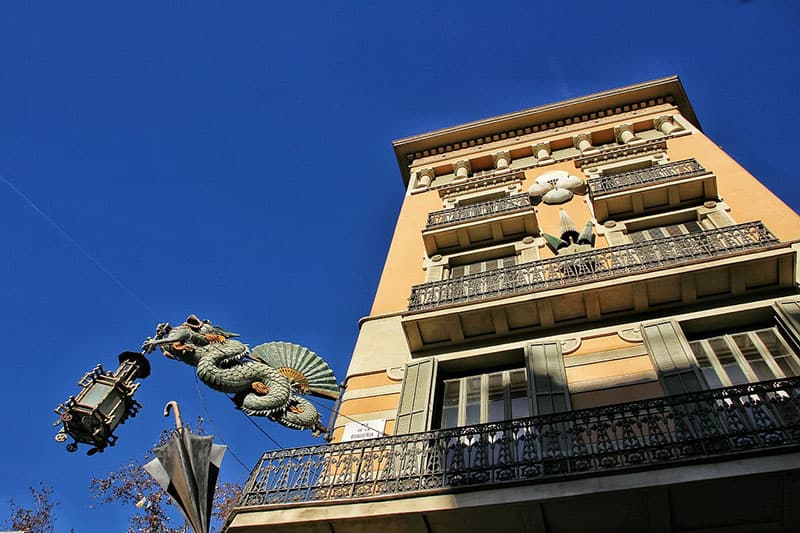
Beware of dragons!
The street is most-commonly referred to in the plural, Las Ramblas, because it is in fact a succession of streets, which start at Plaça Catalunya with the Rambla de Canaletes and work their way down via Rambla dels Estudis, Rambla de les Flors, Rambla dels Caputxins and Rambla de Santa Monica to the newly constructed Rambla del Mar, which links the boulevard to the Maremagnum shopping centre on the Port Vell. (NB: there are several more Ramblas in Barcelona, including Nou de la Rambla and Rambla del Raval, but these are separate streets altogether!).
Just as it joins the city centre and the sea together, Las Ramblas divides the two most central districts of Barcelona’s old town, the touristic Gothic Quarter on one side, and the shabby chic area of El Raval on the other.
Las Ramblas Attractions
A walk from the top to the bottom of Las Ramblas is a rite of passage for any first time visitor to the city, and you will find a healthy selection of Barcelona’s worthy attractions en route. Keep an eye out for the following.
The Canaletes Fountain
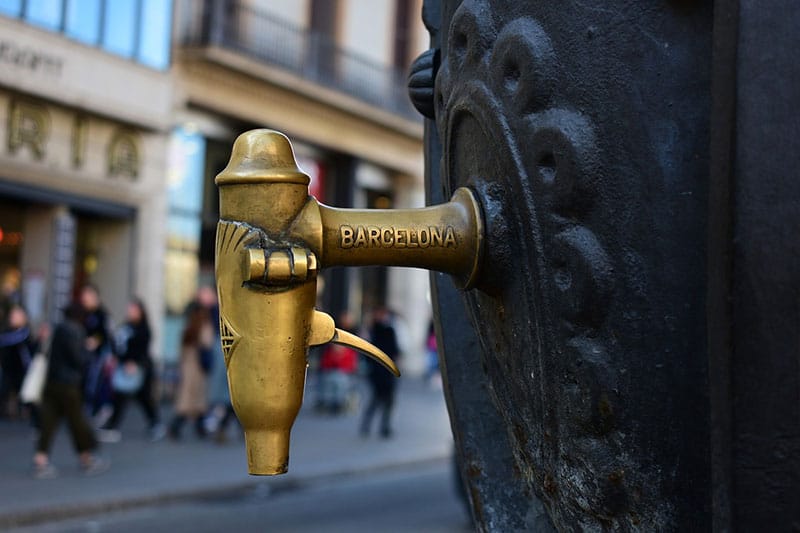
This elegant, late 19th century, four-tapped, drinking font bears the crest of the city of Barcelona and is mostly famous as the place where Barça fans congregate to celebrate epic victories such as title and cup wins, or getting the better of Real Madrid in the el clasico Spanish derby. The tradition stems from pre-television days when fans would gather here and listen to matches on the radio. Naturally, if you drink from the fountain you are fated to return to the city…
Boqueria Food Market
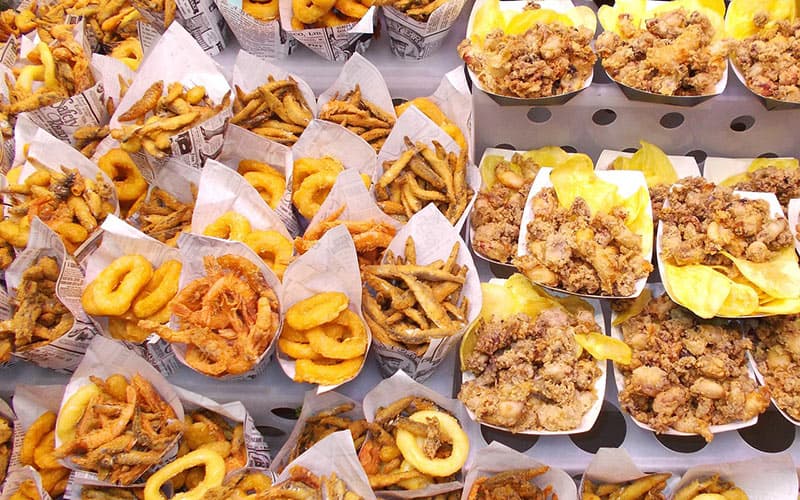
La Boqueria food market is a gourmand’s delight, and a chance to savour some of the best quality produce in Spain, from fruit and veg. to seafood and meats, and much more besides. Residents and restauranteurs use the market for their daily groceries, but travellers can also pop by to pick up freshly squeezed juices, or delicious nibbles to snack on, or stop at one of the market’s many eateries (you know they’re using fresh ingredients!).
Miro’s Mosaic
Joan Miro is one of the Barcelona’s most famous sons, and art lovers might want to check out the museum dedicated to his works on Montjuic. The Catalan artist has several works of public art dotted around the city, but none more known than Pla de l’Os, a bold mosaic that marks the entrance to La Boqueria and is trodden upon by thousands of tourists day after day. Just take care to look where you step and you won’t miss it!
Liceu Theatre
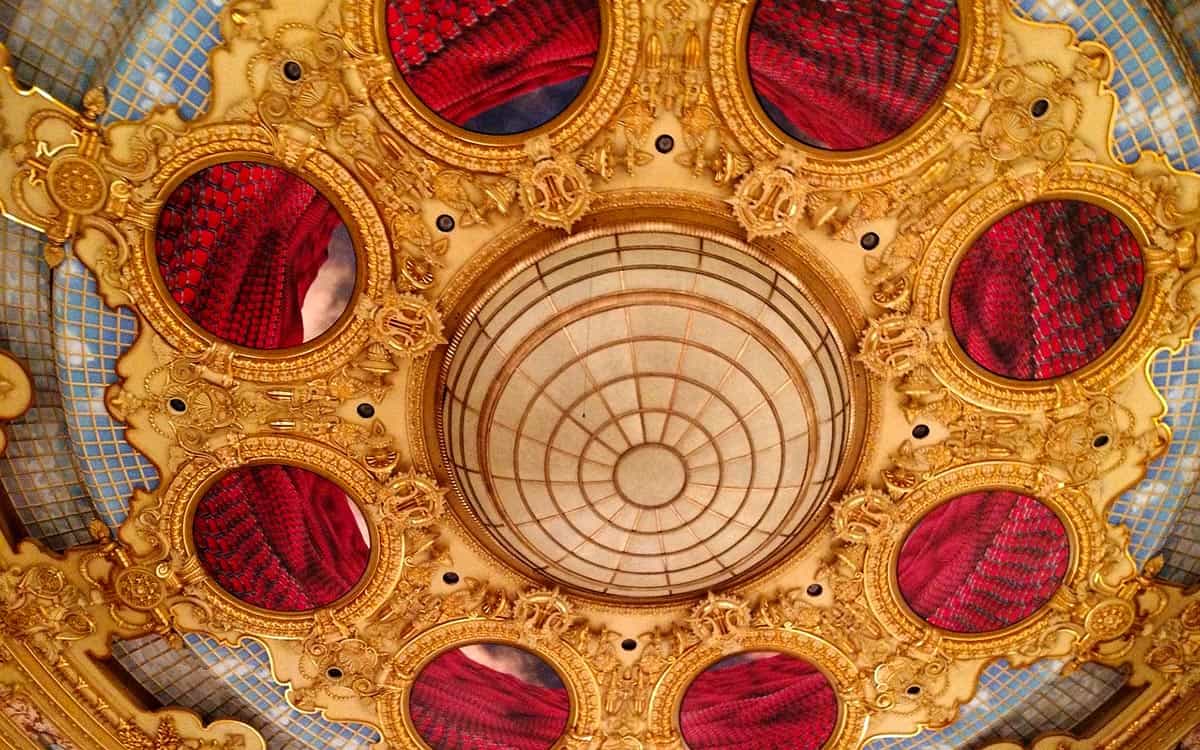
One of the most charming aspects of a stroll down La Rambla is the chance to see locals dressed up for an operatic or balletic performance at the Liceu Theatre. This opulent cultural centre has been through its fair share of hard times, but is still going strong as the heart of the city’s classical culture scene.
Monument to Columbus
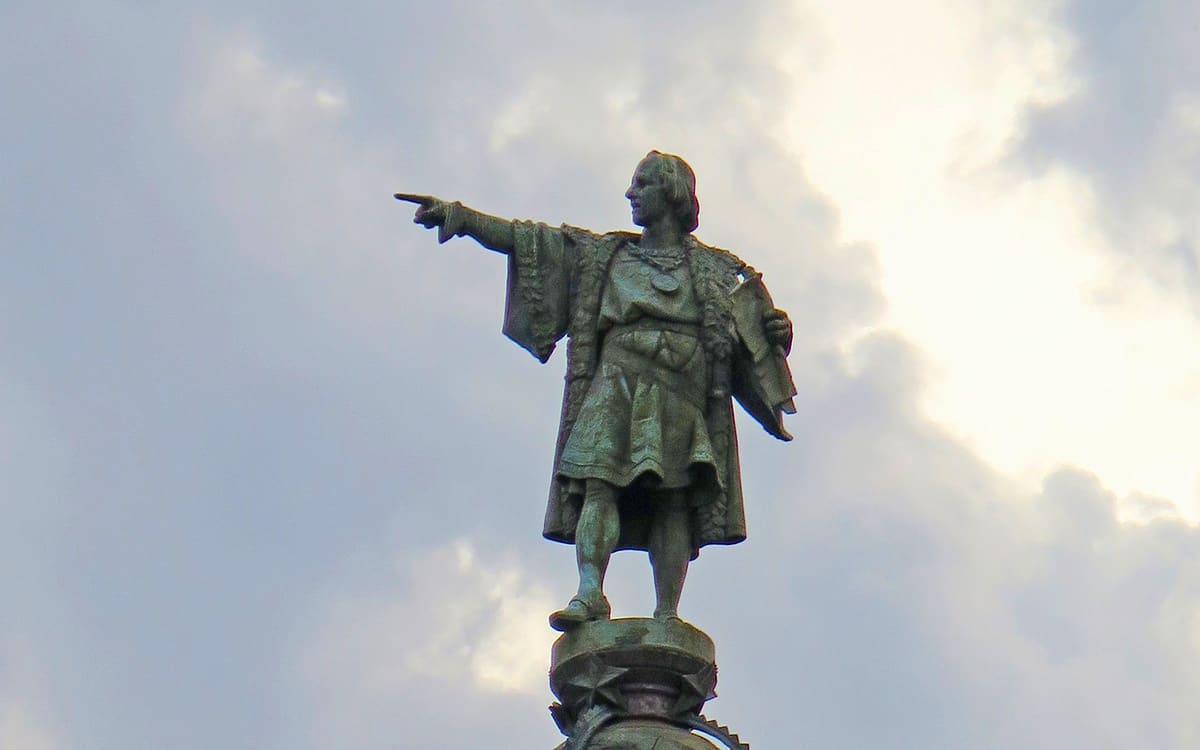
The controversial explorer has been claimed by many nations, including Spain and more specifically Catalonia, and whereas modern public opinion on him has changed over recent years, and his ‘achievements’ reframed, he was nothing if not influential. His statue is mounted on an impressive column reaching nearly 60 metres high (that’s larger than Nelson’s Column, for perspective) and if you want to enjoy one of the best views in the city, you can climb it for a fraction over 5 euros. Tickets on the city’s official website.
The Vibe
Aside from plenty of attractions, as you might expect Las Ramblas is home to several upmarket hotels, some great places to eat and drink – and more than a smattering of bad ones, including the ubiquitous global fast food chains.
These in part are what have given Las Ramblas a twofold reputation of late, and there’s no doubt the street, teeming with tourists and the businesses that cater for them, has in some sense become a victim of its own popularity. Whilst its central location means it will never be abandoned by the citizens of Barcelona (they couldn’t, even if they wanted to!), sometimes Las Ramblas feels like touristic circus with too many tacky gimmicks and souvenirs, chronic overcrowding and soulless consumerism. Like much of the Old Town, the area attracts pickpockets (a plague in Barcelona) who prey on naive travellers by day, whilst after dark prostitutes ply their trade.
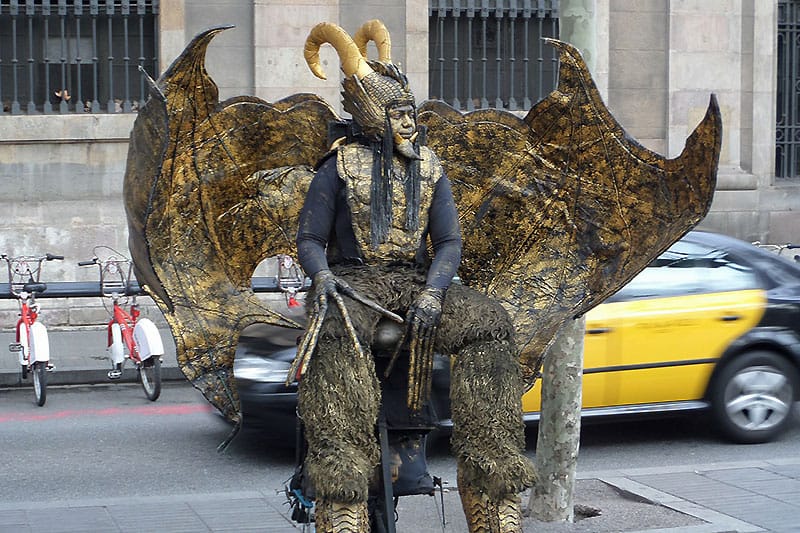
Street performers add colour to Las Ramblas
But let’s keep things in perspective! Whilst there’s no denying there’s an undesirable side to roving on these famous tracts, it’s not exactly Armageddon out there. By day, Las Ramblas still represents some unmissable and highly-entertaining sightseeing, as the city bustles in full flow and street performers in the shape of demons, gladiators, clowns, ballerinas, flamenco dancers and many more outrageous guises, entertain, terrorise, mimic, beguile and charm passers-by.
Street performers in the shape of demons, gladiators, clowns, ballerinas and flamenco dancers entertain, terrorise, mimic, beguile and charm passers-by…
Overall, Las Ramblas is an essential calling point for all tourists in Barcelona, but first time visitors should take this rollercoaster ride of a road with a pinch of salt. The real soul of this sensational city is to be found elsewhere… our city guide will point you in the direction of all Barcelona’s greatest attractions and coolest districts.
Eating & Drinking on La Rambla
In general, Las Ramblas is not the best place to eat and drink as the high foot traffic means that many tacky restaurants rely on undiscerning tourists, and are not incentivised to provide great food and beverages. That said, there are plenty of charismatic places offering quality experiences if you know where to look.
Near the top of the street for example, almost out of view, you’ll find the city’s first ever cocktail bar, the legendary Boadas, a signature locale with timeless class – Hemingway was purportedly a fan!
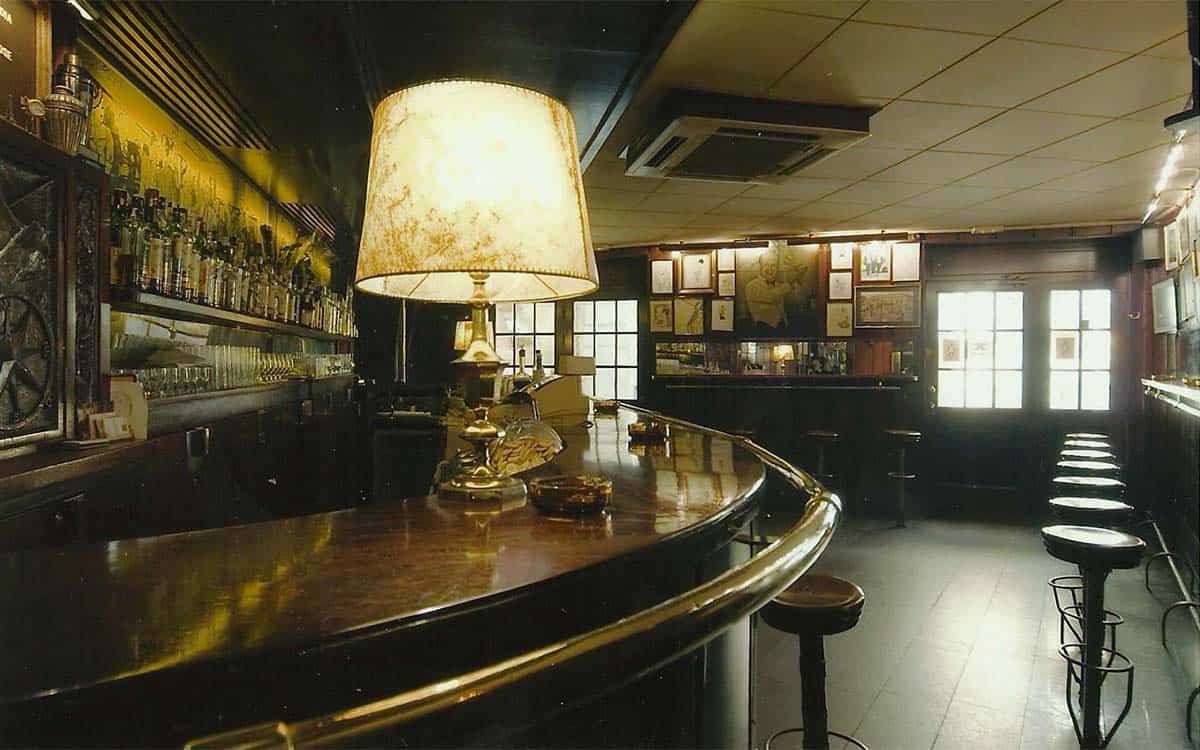
Boadas offers liquid refreshment at the top of the street
Also preserving the old school vibe is the art nouveau style Cafe de l’Opera, which offers great snacks and drinks, opposite the still-popular Liceu Teatre.
For those that love the home comforts of an Irish pub, the aptly named Old Irish Pub has set up stall towards the bottom of Las Ramblas. A nice respite for those in need of a pint and a place to watch the Premier League. Just keep an eye out for the leprechaun!
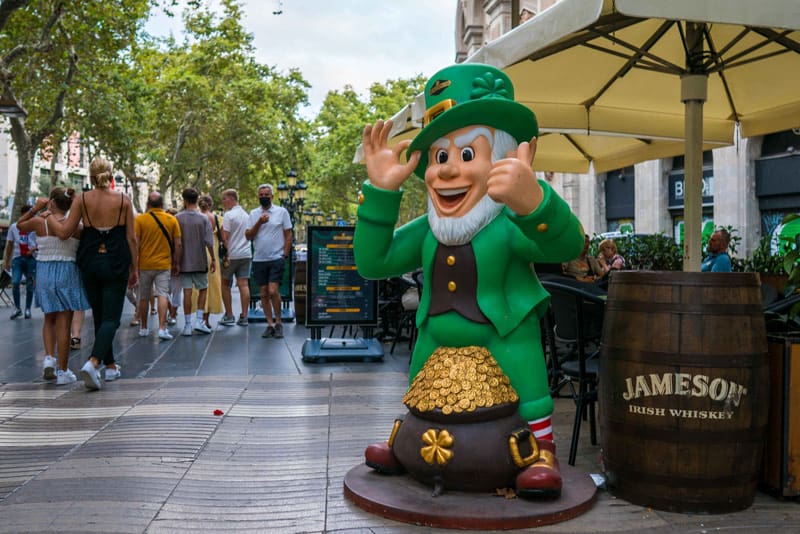
Home comforts on La Rambla…
Talking of home comforts, Barcelona’s very own Hard Rock Cafe can be found on Plaça Catalunya, just at the top of Las Ramblas. Amongst the classic rock memorabilia, you can enjoy a slice of Americana with their legendary burgers and other mains, best followed by a brownie with hot fudge and ice cream. Popular with US travellers, it’s best to book in advance.
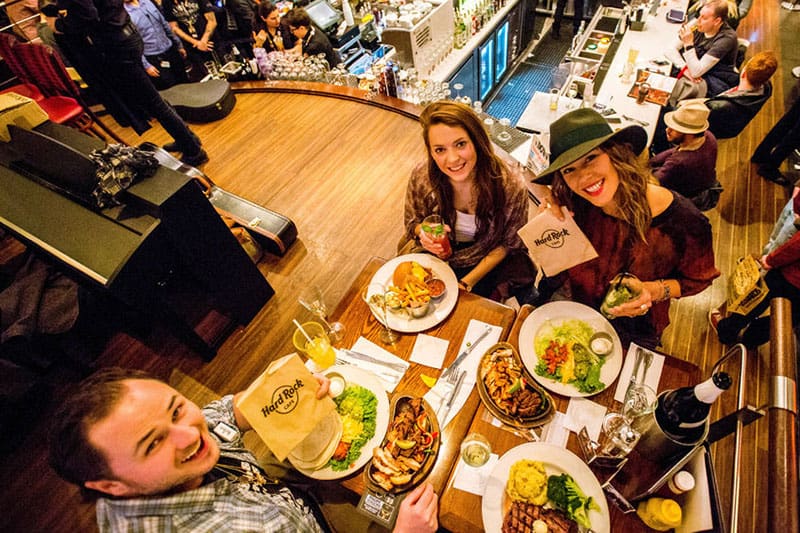
Enjoying great food and company at Barcelona’s Hard Rock Cafe
For something a little different El Bosc de les Fades, annexed to the Wax Museum, is a fun place to quaff jugs of sangria in a surreal fake fairy forest.
Hotels on La Rambla
If you absolutely have to be in the heart of the action during your Barcelona break then fear not, there are plenty of accommodation options on the city’s most famous street. The king’s choice would undoubtedly be the 5-star Hotel Meridien, a luxury palace with all the mod-cons.
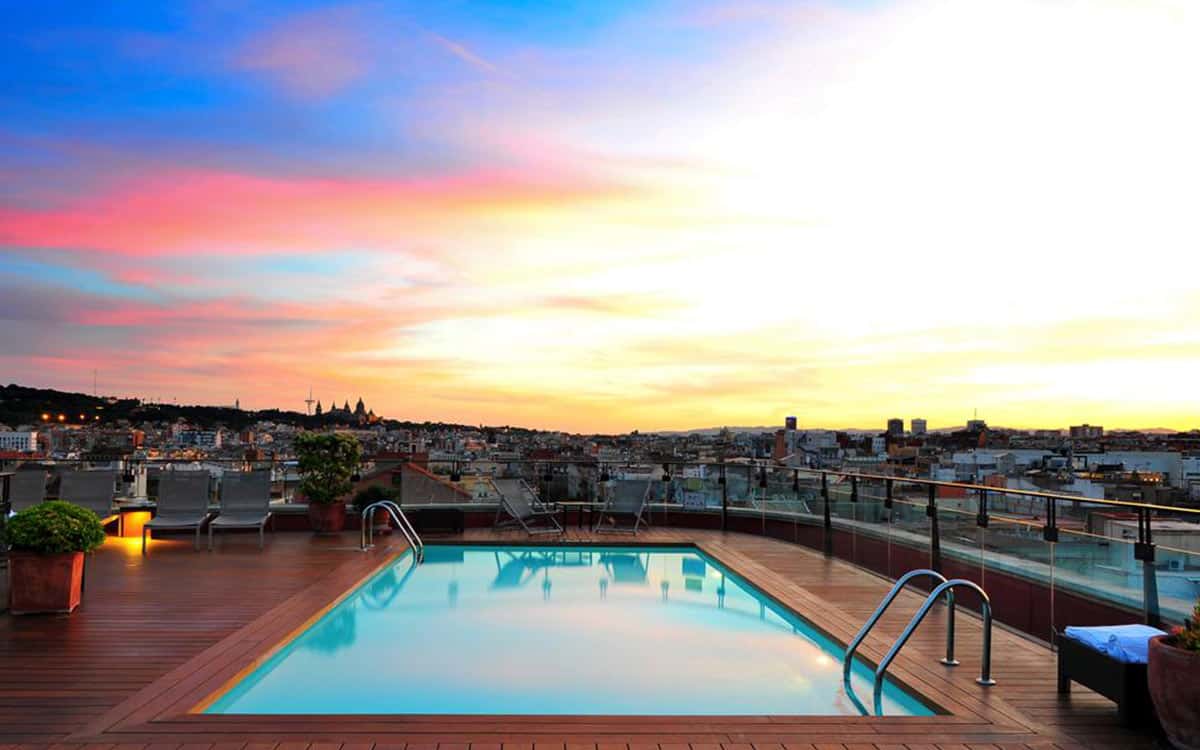
Not a bad spot to hang out at the end of the day!
Meanwhile the Hotel 1898 and Royal Ramblas are two four-star hotels well worth putting on your shortlist.
A more affordable option is the still excellent Hotel Arc de la Rambla.
Alternatively get in contact with some apartment rental firms and see what they can do for you!
For a full list of places to stay, anywhere in the city, check out our hotels and apartments directory.
Ramblas Walking Tours
If you fancy a bit more structured information on Barcelona’s epic boulevard you could try signing up for one of the city’s many FREE walking tours, available on GuruWalk.
Typically, any of the Old Town walking tours will call by Las Ramblas to share some of the streets history and legends.
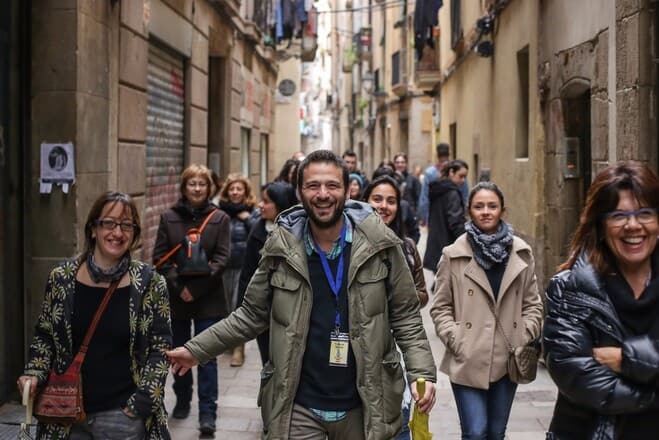
Take a free walking tour with GuruWalk
Other Tours & Tickets
Take my advice, and don’t leave home without booking tickets to Barcelona’s key attractions. Queues for top sights like La Sagrada Familia and Park Guell can be hours long, and if you don’t reserve skip-the-line tickets you are going to waste a lot of your valuable holiday time. In fact, you’re likely to not get in at all.
Our article on the best things to do is a great resource for planning your entire visit.
– The Barcelona Pass
One convenient option is to invest in a Barcelona Pass, which includes tickets to La Sagrada Familia, Park Guell and the Tourist Bus in one handy purchase. The Barcelona Pass currently costs €86.50 and is available via Tiqets.com.

– Other Tourist Cards
For more tourist pass options be sure to check out our full length article (replete with handy comparison table) which answers the question: which Barcelona tourist card is the best value for money.
About the Author
 Duncan established Barcelona Life in 2009, whilst freelancing for the likes of Conde Nast, The Guardian, Easyjet Magazine, CNN Traveller and many more. From interviews with Ferran Adria to revealing the secrets of the city’s poetry brothels, he knows the city inside out… and shares all his best tips right here.